
Capital · 7 Min Read
Opportunity Zones and the long view.
A practical look at how incentive structures can support long-term investment in underused districts when paired with thoughtful development.
Opportunity Zones are often discussed as tax incentives. But in real estate development, their value is best understood through a longer lens: how capital, timing, infrastructure, and community need can align around underused places.
At their best, incentive structures do not create value on their own. They help unlock value that is already possible when a site has strong fundamentals, patient capital, thoughtful planning, and a clear development strategy.
That distinction matters. A weak project does not become strong simply because it sits inside an incentive district. But a strong project in the right location can use incentives to improve feasibility, attract capital, support infrastructure, and move long-term investment forward.
The incentive is a tool, not the thesis.
Opportunity Zones were created to encourage investment in designated communities. For investors with eligible capital gains, Qualified Opportunity Funds may provide certain federal tax benefits when capital is deployed into qualifying Opportunity Zone property or businesses.
That framework can be useful, but the incentive should not be the reason a project exists. The underlying real estate still has to make sense. Location, access, demand, cost basis, entitlement path, infrastructure, and exit or hold strategy remain the central questions.
Opportunity Zone strategies are most relevant when the investment horizon, project timeline, and long-term district vision are aligned.
For developers, the practical question is not simply whether a site is located inside an Opportunity Zone. The better question is whether the site can support a durable project that would still be compelling without the incentive.
Good projects still begin with fundamentals.
Thoughtful development begins with the same questions regardless of incentive status. Who will use the project? What demand exists? What infrastructure is required? How does the project connect to surrounding neighborhoods, transportation, utilities, employment centers, waterfront access, or commercial activity?
Incentives may help close a capital stack, improve the risk-adjusted profile, or extend the patience of investors. But they cannot replace disciplined site selection, realistic underwriting, or responsible project execution.
Incentives are most effective when they support a project that already has a reason to exist.
This is especially important in districts where redevelopment requires patience. Underused areas often involve fragmented parcels, aging infrastructure, complex entitlements, environmental considerations, public access needs, or market perception challenges. Capital incentives can help, but only if the project team understands the long-term work required.
Waterfront districts require a wider lens.
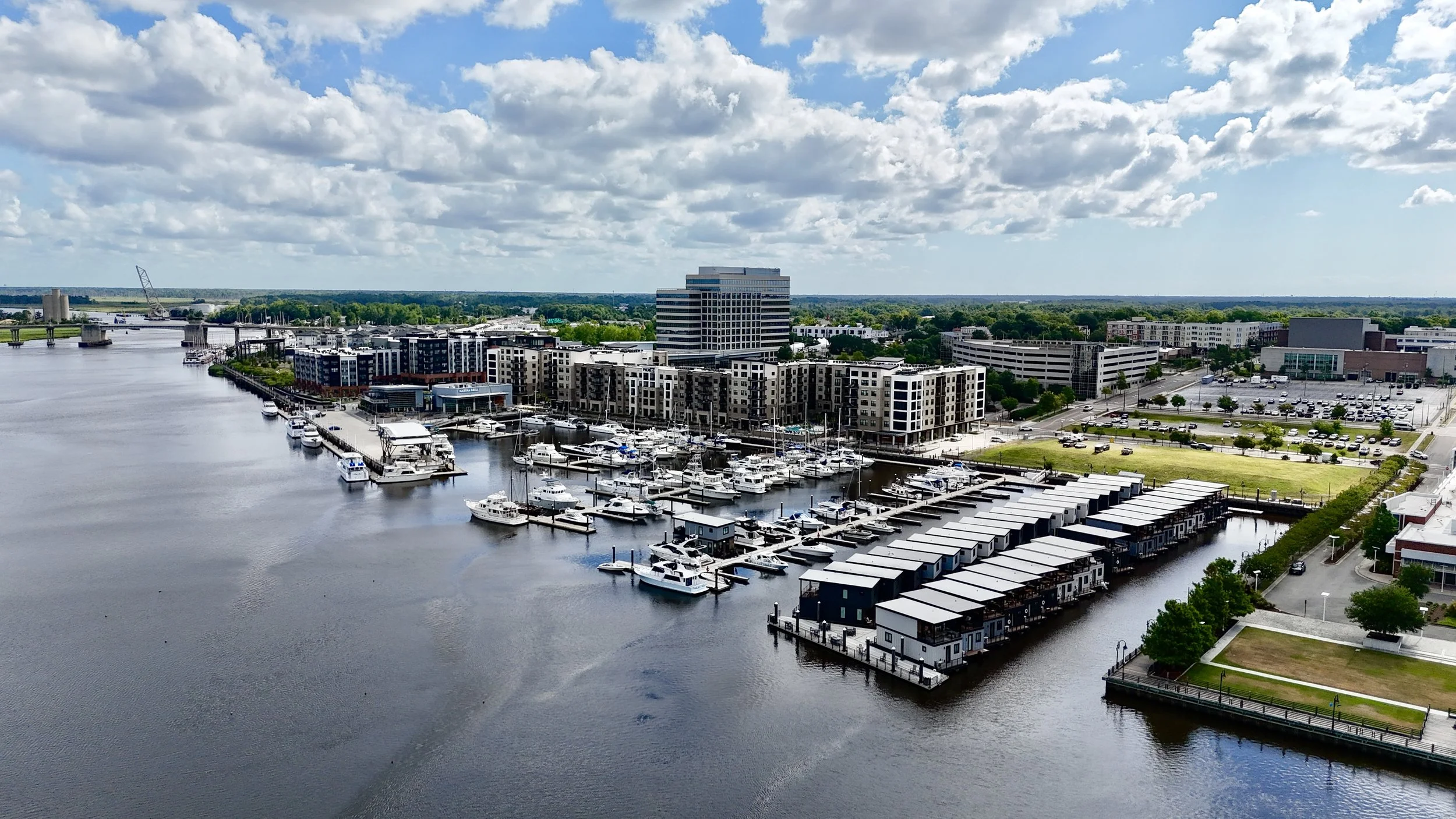
Waterfront redevelopment is rarely about a single building. The strongest waterfront districts combine public access, private investment, infrastructure, hospitality, residential demand, marina activity, commercial uses, and everyday public life.
In that context, incentive structures can be especially meaningful. They may help support the early phases of a district, bridge infrastructure gaps, or attract capital to places that need more time before the full market opportunity is obvious.
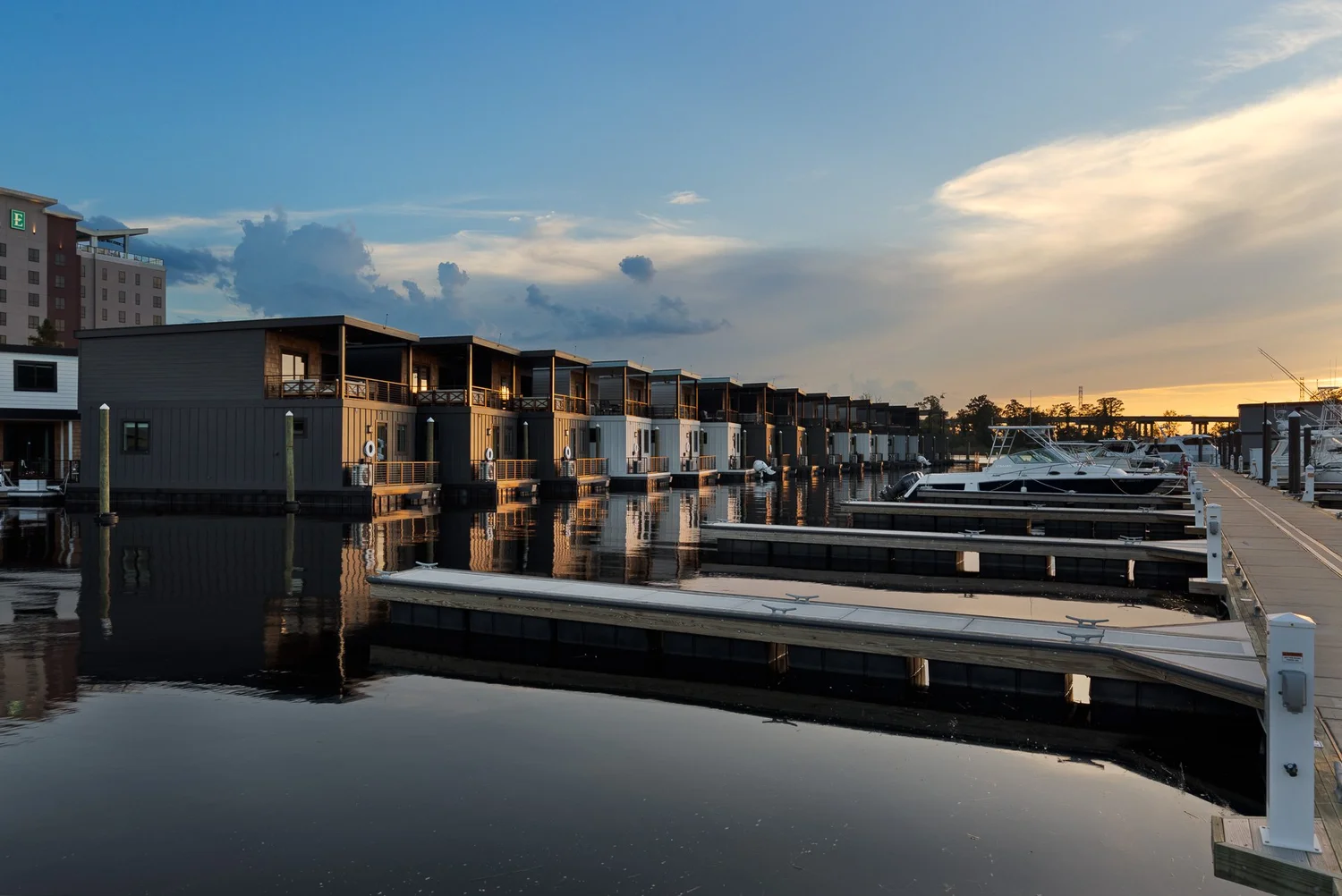
A district becomes more durable when people have reasons to return. Restaurants, riverwalks, marinas, residences, offices, lodging, entertainment, and civic space each contribute to activity. Over time, those layers can transform an underused area into a place with broader economic and community value.
Capital still needs discipline.
Opportunity Zone investment can attract attention from investors seeking tax efficiency, but thoughtful sponsors still need to communicate clearly. Investors should understand the project, the risks, the anticipated timeline, the regulatory structure, and the reasons the development is expected to create value.
For sponsors, that means avoiding overstatement. Incentive-driven projects should not be presented as simple tax products. They are real estate investments with operational, development, market, and execution risk.
The most credible approach is straightforward: explain the project fundamentals first, then explain how the incentive structure may support the overall strategy.
The long view is the real advantage.
Opportunity Zones work best when they reinforce patience. Redevelopment often requires years of planning, coordination, capital, construction, leasing, and operational execution. The benefits are rarely immediate, and the strongest outcomes usually depend on a sponsor’s ability to stay committed through multiple phases.
That is why the long view matters. The goal is not simply to place capital inside a qualifying census tract. The goal is to create a project that strengthens the district around it.
When incentive structures, thoughtful development, and durable market fundamentals align, underused places can become long-term assets. That is where Opportunity Zones are most relevant: not as shortcuts, but as tools that can support patient, place-based investment.